.png)
Safety Guide for Microwave Heating
Creating a comfortable, peaceful, and warm home requires carefully selecting appliances that enhance comfort without sacrificing style and efficiency. Appliances 4 Less Joplin offers a wide variety of open-box, scratched, or dented appliances to residents of Carthage, Monett, Neosho, Pittsburg, Lamar, and Miami, making it the perfect choice for creating your ideal summer home. Here's our guide to essential appliances for a comfortable summer home.
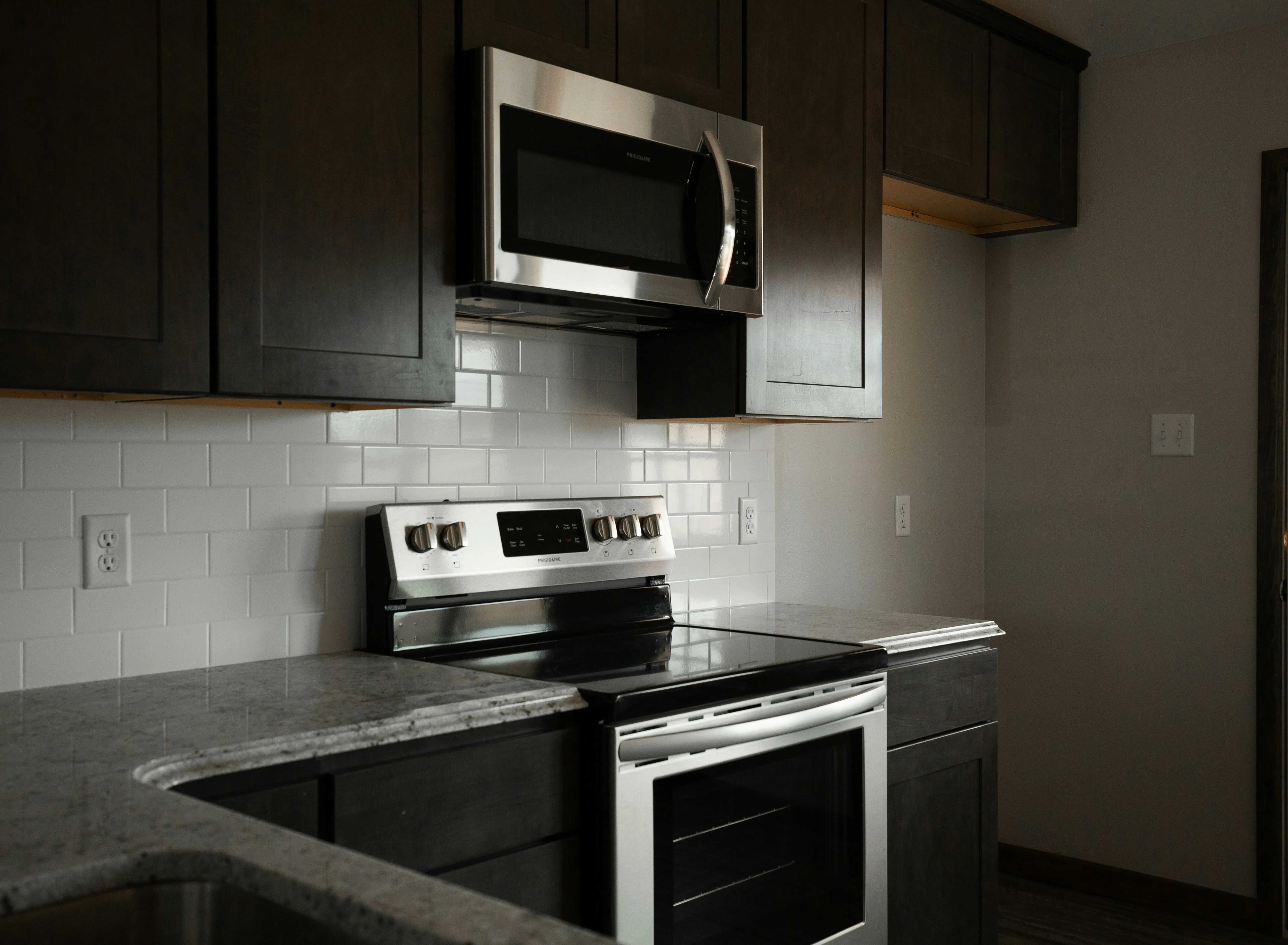
The microwave oven is a highly efficient and convenient heating wonder in the kitchen, greatly saving daily cooking time, but improper use can not only damage the nutrition of ingredients and affect the heating effect, but also may cause safety hazards. To help everyone use the microwave safely and correctly, this practical safety guide must be saved.
.png)
Ⅰ. Container Selection
1. Metal container: A time bomb that 'ignites'
Metal reflects microwaves, causing arc discharges (commonly known as "sparks"), which can damage magnetrons at best and cause fires at worst. Experiments show that aluminium foil can produce an open flame in a microwave oven for 10 seconds, and the surface temperature of an iron pot can exceed 300 ° C after being heated for 30 seconds.
2. Ordinary plastic containers: may release "poison"
Only PP5 and PP7 plastics labeled "microwave-safe" can withstand high temperatures. Ordinary plastics, such as cling film and mineral water bottles, release harmful substances like bisphenol A and phthalates when heated, and long-term intake may disrupt the endocrine system.
3. Closed containers: High pressure explosion risk
Glass bottles with sealed LIDS, cans, and eggs (with shells) may explode when heated due to a sudden increase in internal vapor pressure. It is recommended to leave a "vent" when heating liquids, or use a special lid with a vent hole.
.png)
Ⅱ. Food taboos
1. Shelled/sealed ingredients: "exploding" eggs and chestnuts
The inside of an egg (with shell) can vaporize to a pressure of up to 3 atmospheres and may explode after being heated for 5 minutes. Chestnuts, potatoes, etc. with skins should be cut open in advance to avoid a "steam explosion".
2. High fat foods: May cause "oil fire"
Fats can spontaneously combust when heated above 200 ° C. When heating high-fat foods such as fried chicken and bacon, control the heating time (no more than 2 minutes) and avoid burning the oil bottle empty.
3. Special shape foods: Grapes, cherry tomatoes will "discharge electricity"
When round fruits such as grapes and cherry tomatoes are heated, microwaves create "hot spots" in the gaps between the flesh, triggering arc discharges. Experiments show that a spark can be produced when two grapes come into contact and are heated for three seconds.
.png)
Ⅲ. Operating Specifications
1. Heating time control: Segmented heating is safer
For large pieces of food (such as whole chicken, frozen meat), use the "segmented heating method" : heat for 50% of the time first, then remove and turn or stir, and continue heating. Avoid local overheating caused by "heating for a long time at one go".
2. Liquid heating: Tips against "boiling over"
When heating milk or soup, insert a wooden chopstick or stirring rod to break the surface tension and avoid "boiling" and splashing. It is recommended that the volume of the liquid not exceed two-thirds of the container and that it be left to stand for 1 minute after heating before being taken out.
3. Cleaning and maintenance: Regular descaling for safety
Clean the furnace chamber monthly with citric acid solution to prevent oil stains from carbonizing to form "hot spots" that could affect heating efficiency or even cause fires. Regularly check the door seal for aging to ensure that the microwave does not leak.
.png)
Ⅳ. Advanced safety
1. Baby food heating: Precise temperature control is key
Baby food should be used in glass containers. After heating, it must be thoroughly stirred and the temperature tested (no more than 40 ° C) to avoid "local overheating" burns.
2. Thawing frozen food: Avoid the risk of "half-cooked"
When thawing frozen meat, use the "thawing mode" or low power mode to avoid the outer layer being "half-cooked" while the inside remains frozen, which could lead to bacterial growth.
3. Medicines/chemicals heating: Absolutely prohibited
Do not heat medicines, chemicals, dry ice or other non-edible items in a microwave oven that may cause chemical reactions or explosions.
Conclusion
When using a microwave oven correctly, it is important to ensure both heating efficiency and safety. Avoiding common misconceptions and proper operation and maintenance can not only extend the lifespan of the appliance but also make daily heating more reassuring and healthier.